What Are Affirmations? The Ultimate Guide to Manifesting Your Best Life
Affirmations are positive statements that can help you challenge and overcome self-sabotaging and negative thoughts. When you repeatedly say these statements, you start to believe them, ultimately leading to positive changes in your life. In this article, we will explore the history, science, types, and benefits of affirmations, as well as how to create your own and incorporate them into your daily routine.
The Power of Positive Thinking
A Brief History
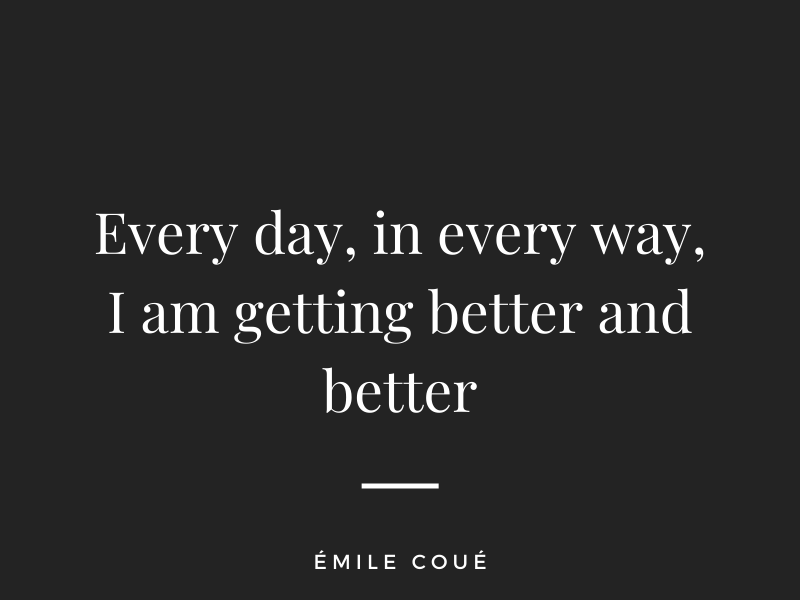
Affirmations have been used for centuries in various forms, such as mantras in Eastern spiritual traditions and prayers in religious practices. The modern concept of mantras can be traced back to Émile Coué, a French psychologist, and pharmacist who coined the famous phrase, “Every day, in every way, I am getting better and better.” He believed that positive thinking and self-suggestion had a powerful impact on a person’s overall well-being.
The Science Behind
Recent studies have supported the idea that affirmations can be beneficial for mental and emotional health. They have been shown to decrease stress, increase self-esteem, and improve overall well-being. By focusing on positive thoughts and beliefs, you can rewire your brain to create new neural pathways, effectively altering your thought patterns.
Types of Affirmations
Self-Affirmations
These positive self-statements focus on personal qualities and achievements, helping to boost self-esteem and confidence. Examples include “I am confident and capable” or “I am deserving of love and respect.”
Here is the list of 100 Powerful, Goofy, And Personal Affirmations For Self Love
Gratitude Affirmations
Gratitude positive declarations help you cultivate an attitude of gratitude and appreciation for the good things in your life. Examples include “I am grateful for my family and friends” or “I am thankful for my health and well-being.”
Health Affirmations
Health mantras are specifically related to physical well-being and healing. Examples include “My body is strong and healthy” or “I am healing and recovering with each passing day.”

How to Create Your Own Affirmations
Be Specific
When crafting your empowering statements, it is essential to be specific about what you want to achieve or change. Focus on a particular area or aspect of your life.
Use Present Tense
Frame your positive declarations in the present tense, as if they are already true. This helps your mind accept the statement as a reality.
Keep it Positive
Make sure your affirmations are framed positively, focusing on what you want to achieve or experience rather than what you want to avoid. For example, instead of saying, “I am not stressed,” say, “I am calm and relaxed.”
Integrating Affirmations into Your Routine
Morning
Starting your day with positive self-statements can help set a positive tone for the day ahead. After waking up, take a few minutes to repeat your chosen mantras, either out loud or silently in your mind.

Evening
Before going to bed, take a moment to reflect on your day and repeat your mantras. This can help you unwind, release any negative thoughts, and prepare for a restful night’s sleep.
Throughout the Day
You can also use affirmations throughout the day as a quick pick-me-up or to refocus your thoughts. Consider setting reminders on your phone or placing post-it notes with your affirmations around your home or workspace.
Measuring the Effectiveness of Affirmations
Tracking Your Progress
To assess the impact of your positive self-statements, you can track your progress by journaling or using a mood tracking app. Note any changes in your thoughts, emotions, or behaviors over time.

Being Patient and Persistent
Remember that change takes time, and it’s essential to be patient and persistent with your affirmations. Consistently practice them, and you’ll likely start to notice a positive shift in your mindset and overall well-being.
Why Affirmations are So Powerful: Unleashing the Potential of Positive Thinking
Affirmations are powerful tools for personal growth and transformation because they tap into the incredible potential of our minds. By repeatedly focusing on positive thoughts and beliefs, we can change our mindset, behaviors, and ultimately, our lives. Here are several reasons why positive self-talk are so powerful:
1. Reprogramming the Subconscious Mind
Our subconscious mind plays a significant role in shaping our thoughts, emotions, and behaviors. Affirmations work by reprogramming negative beliefs and thought patterns ingrained in our subconscious, replacing them with positive, empowering beliefs.
2. Shifting Focus
Mantras help shift our focus from negative thoughts and self-doubt to positive, constructive thinking. This shift in focus can significantly impact our mood, self-esteem, and overall well-being.
3. Creating New Neural Pathways
Our brains are constantly changing and adapting, a concept known as neuroplasticity. Positive self-talk can help create new neural pathways by reinforcing positive thoughts and beliefs, effectively changing the way we think and perceive the world.
4. The Law of Attraction
The Law of Attraction states that like attracts like, meaning that our thoughts, feelings, and beliefs can manifest into our reality. By consistently practicing positive affirmations, we attract more positivity and abundance into our lives.
5. Reducing Stress and Anxiety
Focusing on positive thoughts and beliefs through affirmations can help reduce stress and anxiety by calming the mind and promoting a sense of peace and tranquility.
6. Boosting Confidence and Self-Esteem
Affirmations centered around self-love, acceptance, and personal growth can significantly boost our confidence and self-esteem, leading to more fulfilling relationships, career success, and personal accomplishments.
In summary, affirmations are powerful tools that can help us transform our mindset and ultimately, our lives. By harnessing the power of positive thinking, we can overcome self-limiting beliefs, boost our self-esteem, and achieve our goals.
Psychology and Affirmations: The Science Behind Positive Self-Talk
Psychology has much to say about the effectiveness and impact of empowering statementson our mental well-being. Various studies and research have explored how positive self-talk and positive self-talk can influence our thoughts, emotions, and behaviors. Here’s what psychology says about affirmations:
1. Cognitive-Behavioral Theory
According to cognitive-behavioral theory, our thoughts, emotions, and behaviors are interconnected. By changing our thoughts through positive affirmations, we can influence our emotions and behaviors, leading to improved mental health and overall well-being.
2. Self-Affirmation Theory
Self-affirmation theory, proposed by Claude Steele, posits that individuals are motivated to maintain a positive self-image. Practicing mantras helps reinforce our self-worth and self-integrity, reducing the negative effects of stress and boosting our self-esteem.

3. Confirmation Bias
Confirmation bias is the tendency to seek, interpret, and remember information that supports our pre-existing beliefs. When we practice positive self-talk, we are more likely to notice and pay attention to experiences that confirm our positive beliefs, further reinforcing the impact of the affirmations.
4. Neuroplasticity
Neuroplasticity is the brain’s ability to change and adapt over time. Research has shown that repeatedly focusing on positive thoughts through mantras can create new neural pathways in the brain, effectively rewiring our thought patterns and promoting a more optimistic outlook on life.
5. The Placebo Effect
The placebo effect occurs when a person experiences real improvements in their symptoms or well-being due to their belief in the effectiveness of a treatment, even if the treatment itself has no therapeutic effect. The power of belief in the efficacy of affirmations can contribute to their impact on our mental health, similar to the placebo effect.
In conclusion, psychology supports the idea that positive self-talk can be an effective tool for personal growth and mental well-being. By understanding the cognitive, emotional, and neurological processes underlying the power of empowering statements, we can harness their potential to create positive change in our lives.
Conclusion
Affirmations are a powerful tool for cultivating positivity and transforming your mindset. By understanding the history, science, and types of positive self-talk, and incorporating them into your daily routine, you can experience significant improvements in your mental, emotional, and physical well-being.
Most frequently asked questions about affirmations
1. How long does it take for affirmations to work?
There’s no specific timeline, as the effectiveness of positive declarations varies from person to person. Consistency and persistence are key, so keep practicing your mantras daily for best results.
2. Can affirmations help with anxiety and depression?
Positive declarations can be helpful in managing anxiety and depression by shifting your focus to positive thoughts and beliefs. However, they should not replace professional help if you’re struggling with mental health issues.
3. Should I say my affirmations out loud or silently?
Either method can be effective. Some people find that saying empowering statements out loud helps them feel more committed and focused, while others prefer to repeat them silently in their mind.
4. Can I create affirmations for multiple areas of my life?
Absolutely! You can create and practice affirmations for various aspects of your life, such as relationships, career, health, and personal growth.
5. How many affirmations should I practice daily?
There’s no specific number, but it’s best to focus on a few key affirmations that resonate with you and align with your goals. As you become more comfortable with the practice, you can add or change mantras to suit your needs.